
Elevate Your Movement
Specialized Fitness Coaching

Fitness & Movement
Quality Programs


Sports Performance
Training


Neurosensory
Integration


Pre and Post
Surgery Health


Fitness & Movement
Quality Programs


Sports Performance
Training


Neurosensory
Integration


Pre and Post
Surgery Health

Opening Hours
Contact
Proactive Functional Fitness
At ProFuFi, we are passionate about transforming your health and fitness journey, aligning it with fundamental principles that optimize posture and movement. Our approach, led by Dr. Osar and the elite team at Chicago Integrative Movement Specialists™, revolves around perfecting body and joint alignment, enhancing your breath control, and refining movement precision.Imagine a personalized experience where we seamlessly integrate these principles to address both acute and chronic dysfunctions. This isn't just about overcoming obstacles; it's a holistic journey towards elevating your movement performance to new heights.ProFuFi is not your typical fitness partner; we specialize in empowering individuals who seek a proactive role in their health journey. Together, we navigate the path to achieving your unique fitness and wellness goals, whether it's boosting sports performance or enhancing the joy in your everyday life.Step into a realm where your well-being takes center stage, and each session is a step towards unlocking your fullest potential. Join us at ProFuFi, where your health goals become a captivating and achievable reality.
Reviews
Products
Our Highly Recommended Products

FlexCBD - Shop Our Line Of CBD Products That Provide Amazing Pain Relief and Muscle Recovery. Our CBD Products Are High-Quality And Of The Most Purest Form.

LiveGood - LiveGood strives to provide only the highest quality and most affordable health & wellness products to its customers and members.
Resources
Science based programming for individualized results
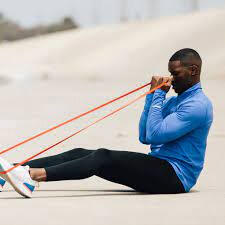
Variable Resistance proves to be dominant mode for strength gains
Fitness & Movement Quality Programs
Fitness and movement quality programs blend traditional fitness with a focus on refining movement patterns for overall well-being and performance. Key components include:
Comprehensive Assessment: Evaluations cover traditional fitness metrics and movement patterns to identify areas for improvement.
Functional Training: Exercises mimic real-life activities, enhancing practical fitness.
Strength Training: Emphasis on proper form and controlled movements maintains joint integrity.
Mobility and Flexibility: Drills improve joint mobility and flexibility, promoting optimal movement patterns.
Pain Reduction: By addressing the root cause of the injury, over time, pain could be reduced and/or eliminated.
These programs offer a balanced approach, integrating strength, cardiovascular health, and quality movement to reduce injury risk and support an active lifestyle.
Sports Performance Training
Sports performance training aims at optimizing athletes' capabilities for specific sports, emphasizing skill development, strength, speed, agility, endurance, and mental resilience. Training with teams and individuals include:
Sports-Specific Training: Tailored exercises mimic sport movements to enhance skill execution.
Strength and Power Development: Resistance training and plyometrics improve force production.
Speed and Agility Training: Drills enhance on-field responsiveness.
Endurance Conditioning: Cardiovascular and interval training sustain high-intensity efforts.
Flexibility and Mobility Dynamic stretching reduces injury risk and improves range of motion.
Skill Enhancement Drills refine sport-specific techniques.
Nutrition and Recovery: Guidance on pre- and post-training nutrition and recovery protocols.
Mental Conditioning: Psychological strategies enhance focus and resilience.
Periodization: Structured training plans optimize performance throughout the season.
Individualization: Tailored programs address athletes' unique needs and goals, ensuring alignment with sport demands. Coaches collaborate closely with athletes to design effective training programs.
Neurosensory Integration
Neurosensory integration training programs cater to neurodivergent individuals and those with neurological diseases, aiming to enhance their well-being, functional abilities, and quality of life. Key considerations include:
For Neurodivergent Individuals:
Sensory Considerations: Customized environments with reduced stimuli and adapted equipment accommodate sensory sensitivities.
Individualized Approach: Tailored plans considering preferences and challenges ensure inclusivity.
Structured Routines: Predictable schedules and clear communication foster engagement.
Social Support: Group activities promote a supportive community environment.
Motor Skills Development: Exercises targeting motor skills and coordination are tailored to individual needs.
Mind-Body Connection: Integration of mindfulness techniques enhances self-awareness and emotional regulation.
For Neurological Diseases:
Functional Movement Training: Exercises mimic daily tasks, promoting independence.
Balance and Coordination: Drills address fall prevention and stability.
Adapted Strength Training: Strength exercises are modified to accommodate limitations.
Range of Motion Exercises: Stretching maintains or improves flexibility.
Cognitive Training: Activities engage both body and mind to promote cognitive function.
Progressive Adaptation: Programs adjust to changing abilities over time.
Therapeutic Approaches: Collaboration with healthcare professionals ensures a holistic approach.
Prioritizing individualization, adaptability, and collaboration with healthcare professionals ensures effective and safe training programs for both populations.
Pre and Post Surgery Health
Pre and post-surgery health programs, collaboratively crafted by healthcare professionals, are tailored regimens aiming to optimize individuals' physical and mental well-being surrounding surgical interventions. Key components include:
Preoperative Assessment: Comprehensive evaluations determine health status and tailor the program to individual needs.
Physical Conditioning: Exercise routines enhance cardiovascular fitness, strength, and flexibility, facilitating smoother recovery.
Educational Sessions: Informative sessions prepare individuals for surgery, covering pre-op, post-op care, pain management, and potential complications. Both programs are personalized, involving collaborative efforts of surgeons, physical therapists, nutritionists, and mental health professionals, to ensure tailored care and improved outcomes.